Rules Update
New Goalkeeper Rules 2024–25:
IFAB — the body that writes the Laws of the Game — has been quietly making changes that significantly affect goalkeepers at every level. Some are well publicized. Others are trickling into youth and amateur games without coaches or players being properly briefed. If you are coaching or playing right now without knowing these rules, you are one bad call away from a retaken penalty, an unnecessary concession, or a confused referee situation you could have avoided.
Here is what has changed and what each change actually means for your positioning, habits, and training.
The 6-second rule has officially become an 8-second rule under updated IFAB guidance. More importantly, the guidance to referees has changed. Referees are now expected to give a visible count — raising their arm or using a visual signal — before the violation is called. This means you should now expect to see the count, not just hear a whistle.
What it means in practice: Eight seconds is not long. From the moment you control the ball, count in your head. The new visual count from referees makes this easier to manage — use it as a prompt. Keepers who hold the ball to slow the game down are now on notice. At elite youth and college level, this is being enforced consistently.
Goalkeepers must have at least one foot on the goal line when the penalty is struck. Moving early has always been the rule, but VAR and increased referee training has made this enforcement significantly more consistent at all levels with replay capability. A saved penalty where the goalkeeper moved early now results in a retake — not just a warning.
What it means in practice: Stay on your line. Your weight can shift, your hands can move, your read can happen — but your feet need to remain on the line until the ball is struck. Train this explicitly. Many keepers who have been getting away with early movement for years are now giving up retakes at the worst possible moments.
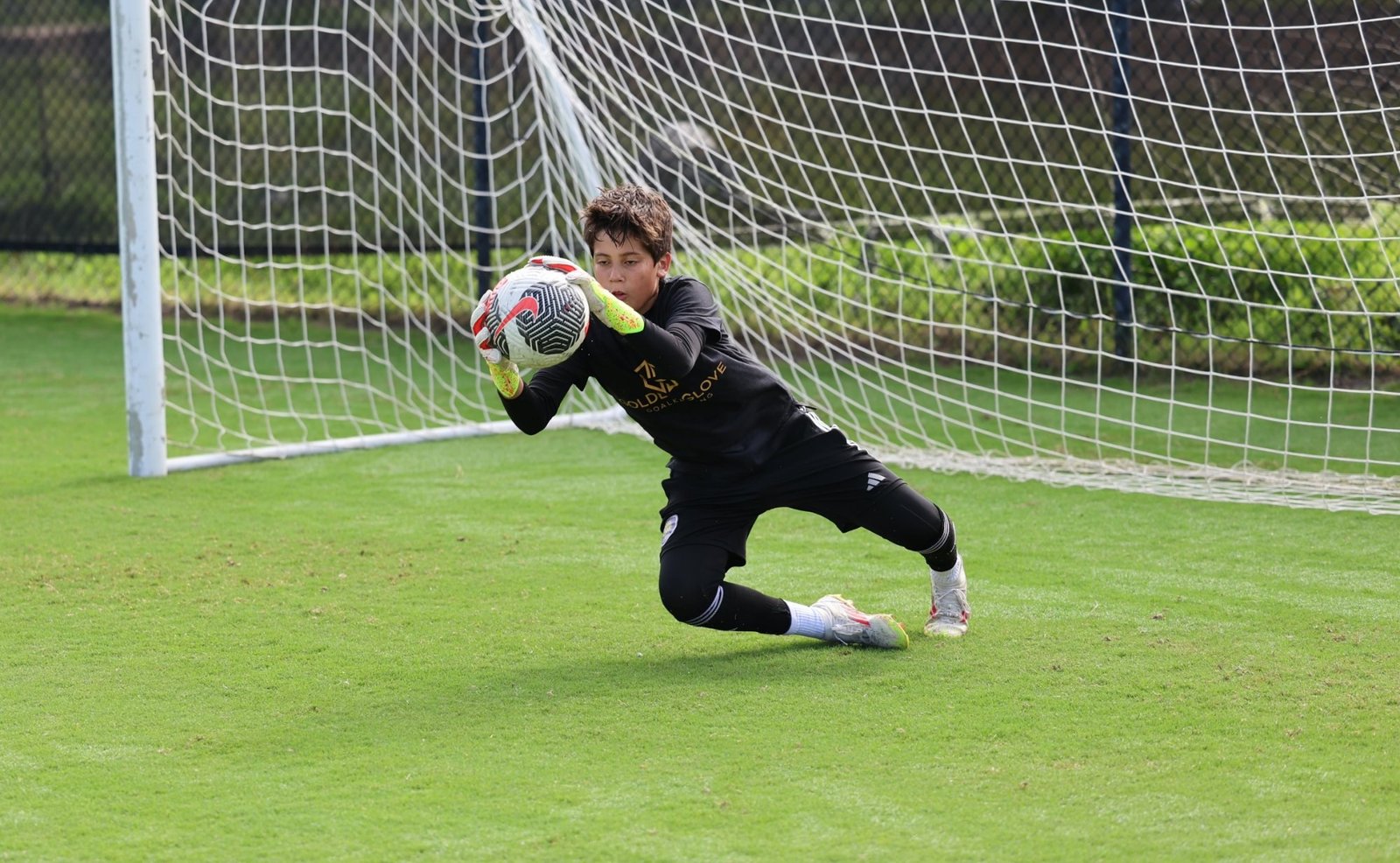
Since 2019, the ball is in play the moment a goal kick is taken — it does not need to leave the penalty area first. This means a teammate can receive the ball inside the penalty area from a goal kick. It also means opponents can press from the moment the ball is struck, rather than waiting for it to exit the box.
What it means in practice: This rule is still being misapplied by players, coaches, and referees at youth level. Know it and use it. A short goal kick to a center back inside the box is legal. Your build-up patterns can start tighter than most teams realize.
The back-pass rule (no handling a deliberate kick from a teammate) has not changed in wording since 1992, but what has changed is referee discretion. "Deliberate" is being judged more broadly. A defender who controls a ball with their thigh and plays it back is still triggering the rule if the movement is clearly intentional. A header back is still legal. A chest pass back is a gray area.
What it means in practice: Do not touch back passes from teammates that were played with the foot, even if it feels like a redirect. If there is any doubt, play it with your feet. The indirect free kick from the edge of your 6-yard box is one of the most dangerous restarts in the game.
IFAB has been explicit: goalkeepers are treated the same as all players for dissent. Historically, goalkeepers arguing with referees from the box were given more leeway. This is changing, particularly at higher levels. Persistent dissent from the goalkeeper — even from distance — is now a yellow card.
What it means in practice: Be the professional. A goalkeeper who earns a yellow card for dissent is now a penalty kick vulnerability. The best keepers communicate with referees early and professionally — "where do I need to be?" beats "that was clearly not a foul" every time.
"The keepers who study the rulebook are never caught off guard by a retake. They use every rule as an advantage, not a trap."
IFAB publishes the updated Laws of the Game every summer. The document is free, available at theifab.com, and specifically includes goalkeeper-relevant annotations. Reading the goalkeeper sections once per year takes under 30 minutes and will tell you more than most coaches or referees know. Do it.
Got a specific rules situation, positioning question, or technique issue? Get a direct answer from a professional with 12 years of experience — not a forum post.
Book 15-Min Call — $35